
Chinese Medicine Nutrition.
A fundamental branch of Chinese medicine, using food to support the body's natural balance, encourage recovery and promote long-term health.
Chinese Medicine Nutrition.
Chinese medicine nutrition is much more than dietary advice. Rather than asking "What is the healthiest diet?", traditional Chinese medicine asks a different question:
What does your body need to find balance?
The answer is different for everyone. Your constitution, digestion, lifestyle, emotional wellbeing, stage of life and even the season all influence the foods that will nourish you best. A food that suits you well at one point in your life may feel quite different at another, which is why Chinese medicine considers food in the context of the individual, and the moment.
Because food is something we return to several times a day, it is one of the simplest and most consistent ways to support your health.
Nutrition has always been an integral part of traditional Chinese medicine practice, so many people who come for acupuncture may already be familiar with the dietary guidance that forms a natural part of overall treatment. Often, small and consistent changes can make a meaningful difference alongside it.
These one-to-one sessions offer something different. By making diet and food the primary focus, there is time to explore your health in much greater depth than my acupuncture sessions allows.
For some people, these sessions provide valuable support alongside acupuncture. For others - particularly those looking to focus on long-term health, prevention or lifestyle change – they can also be a meaningful place to begin.
Who these sessions are for.
Some people come alongside acupuncture, where food can support the work between appointments. Others come having never had acupuncture at all – often because they are thinking about the longer term: prevention, energy, a change of life stage, or simply a way of eating that suits them better than the one they have fallen into.
People arrive with all sorts of starting points. It might be digestion that feels unpredictable, tiredness that settles in at a particular hour of the day, sleep that does not feel restorative, or a tendency to feel the cold. It might be a particular stage of life – preparing for pregnancy, pregnancy itself, the months after giving birth, or the transition towards menopause. Sometimes it is recovery after a period of illness or simply a wish to eat in a way that feels more supportive and adapts with the seasons.
And sometimes there is nothing in particular that feels wrong. You may simply want to understand your constitution better and develop a way of eating that feels more appropriate to your body, your circumstances and the life you are actually living.
Your Nutrition Session.
Each session begins in exactly the same way as an acupuncture consultation. We’ll discuss your main concerns, your medical history and your general health, exploring areas such as digestion, sleep, energy, emotional wellbeing and any other factors that help build a complete picture of how your body is functioning. I’ll also ask about anything you have been prescribed, and about allergies or intolerances, so that whatever we arrive at sits comfortably alongside the rest of your care.
I also carry out a traditional Chinese medicine assessment, including pulse and tongue diagnosis. These observations help identify the underlying pattern that lies beneath your symptoms.
Only once this picture has become clear do we turn our attention to food.
Together, we’ll look closely at your eating habits, your digestion, your preferences and the practical realities of an ordinary week – the mornings that are already tight, the evenings you get home late – so that what we arrive at is something you can actually do.
Rather than general nutritional advice or a restrictive meal plan, I develop personalised recommendations based on your constitution, your current pattern of health and the way your body is functioning today. Two people with the same medical diagnosis may leave with entirely different recommendations, because in Chinese medicine the approach is always tailored to the individual.
I think of these sessions as workshops because they are collaborative. Rather than following a prescriptive plan, we’ll work together to find a way of eating that feels realistic, sustainable and appropriate for your health, your lifestyle and your goals. My hope is that you leave with practical guidance and greater confidence in making food choices that continue to support your wellbeing long after the session has ended.
What you take away.
After the session I write up what we discussed as a personalised, detailed document. It sets out the pattern we identified, the handful of changes that would make the most difference, the foods worth leaning on and the ones worth easing off, and recipes chosen for you specifically. The recommendations draw on Chinese medicine dietary principles, but not necessarily Chinese ingredients — I draw from a broad range of foods and culinary traditions, according to what suits you. The finished document is designed to be kept somewhere you will see it regularly and return to as you make practical changes in your everyday life.
A different way of understanding food.
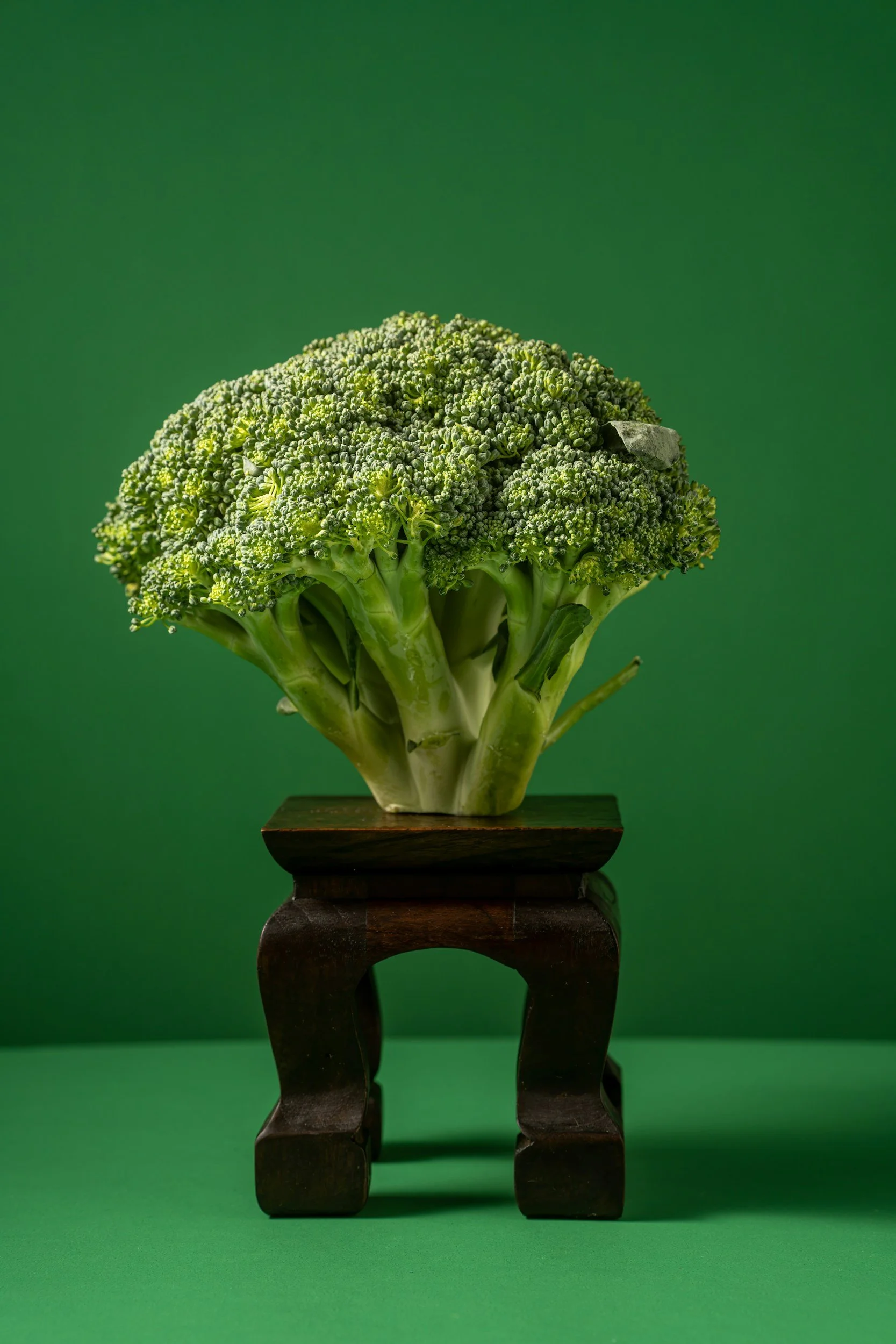
Traditional Chinese medicine has developed its own way of understanding food over many centuries. Where Western nutrition draws on nutritional science, this tradition draws on a very long record of careful observation of how different foods affect the body. Foods are understood not only by their nutritional content, but by qualities such as whether they gently warm or cool, moisten or dry; by their flavour; and by their relationship with the different organ systems.
At the heart of this approach is digestion. When digestion is functioning well, the body is better able to transform food into the substances that nourish every organ and tissue – which is why supporting digestion so often comes first.
The aim is never to follow rigid rules or to remove foods unnecessarily. It is to understand which foods, which methods of preparation and which eating habits are the most supportive for you now. The same food can nourish one person while burdening another, because each of us has a different constitution and a different pattern of health.
A central influence in my practice is the Chinese tradition of yang sheng (養生) – ‘nourishing life’. It rests on the understanding that everyday habits – how we eat, sleep, move and relate to our environment – play a fundamental role in our health. What nourishes us changes with the seasons, with age and with the stage of life we are in, so recommendations always reflect where you are now rather than following a one-size-fits-all approach.
Often, it is the smallest and most sustainable changes that lead to the greatest long-term improvements.
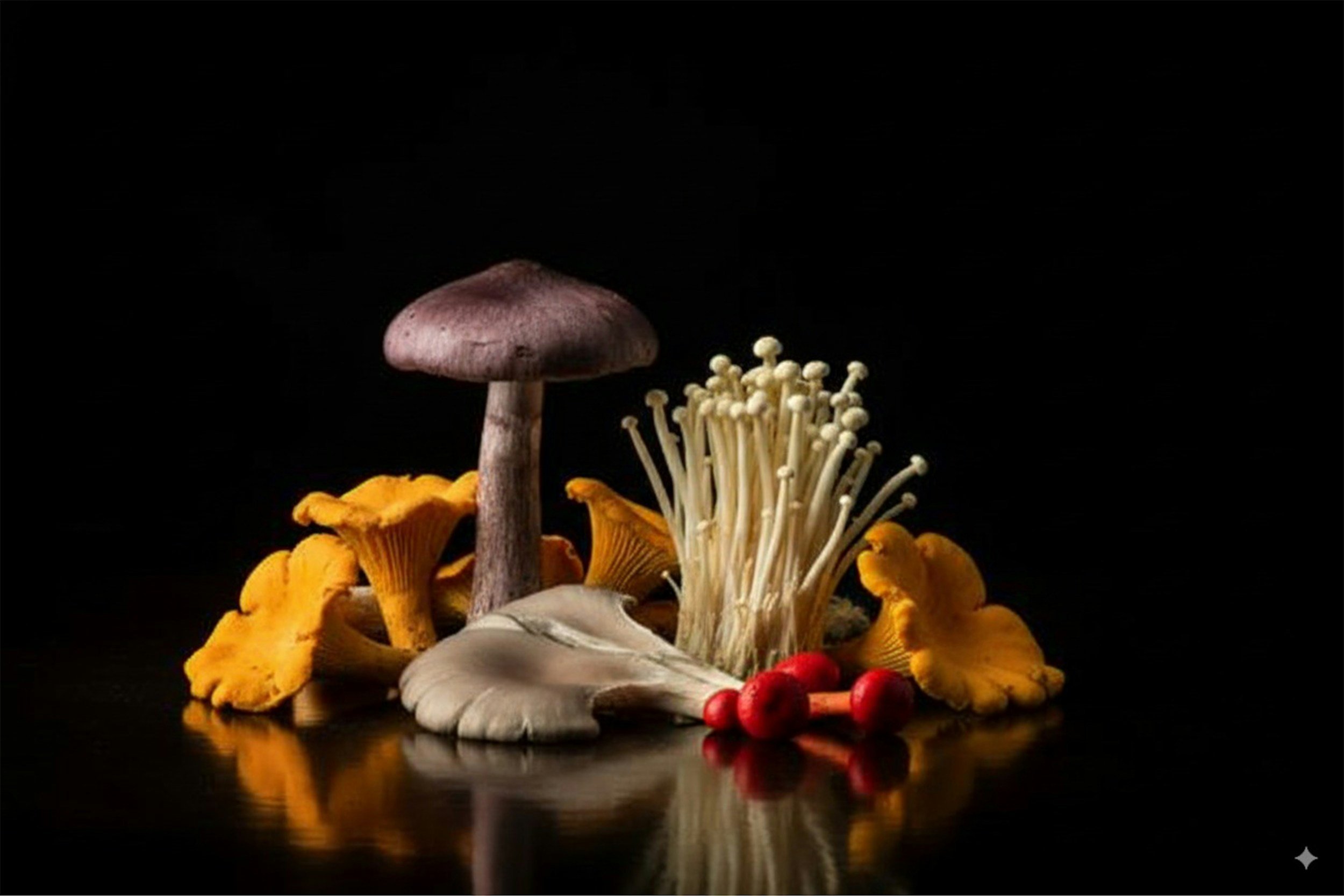
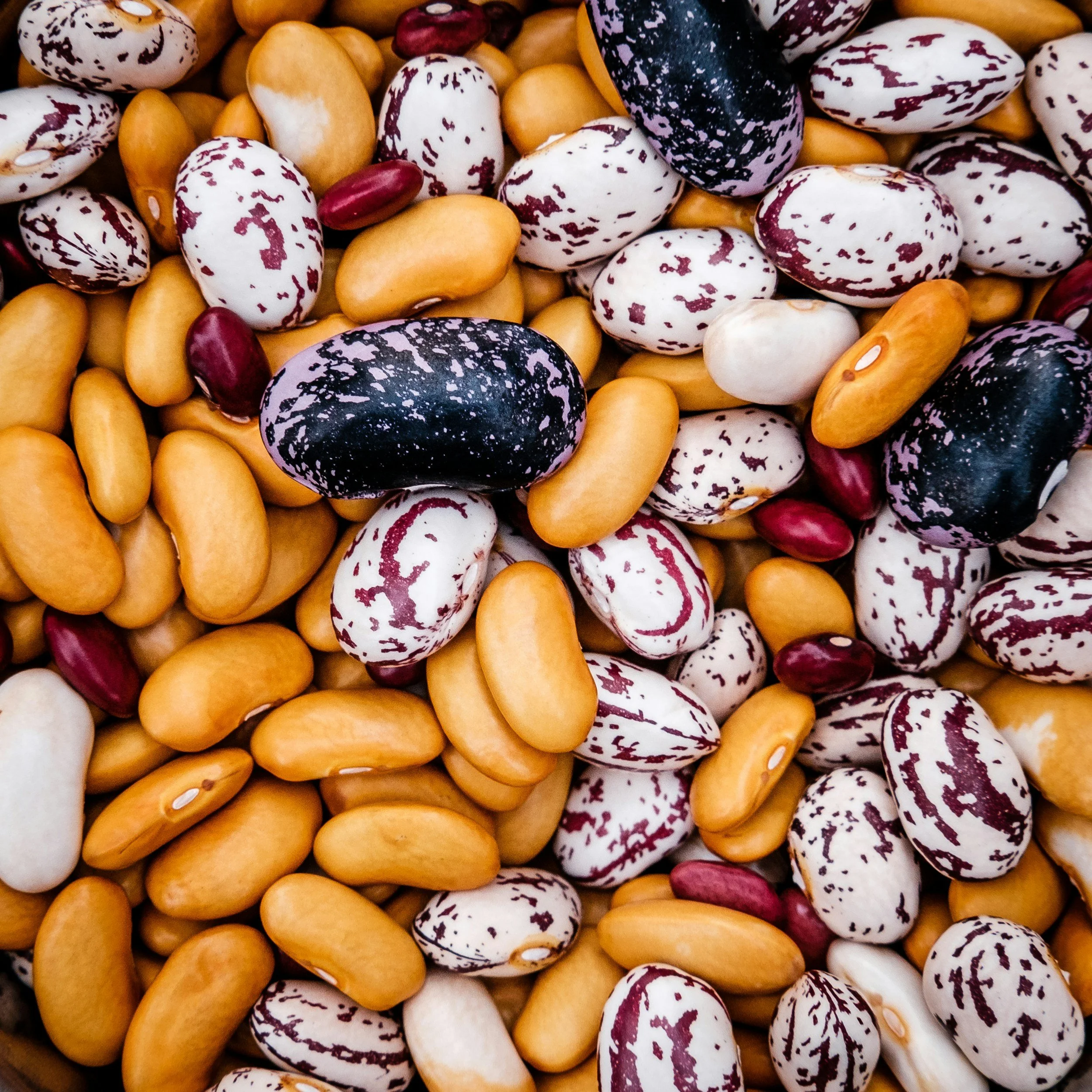
"Medicine and food share the same origin / 藥食同源.”
—A foundational principle of Chinese medicine
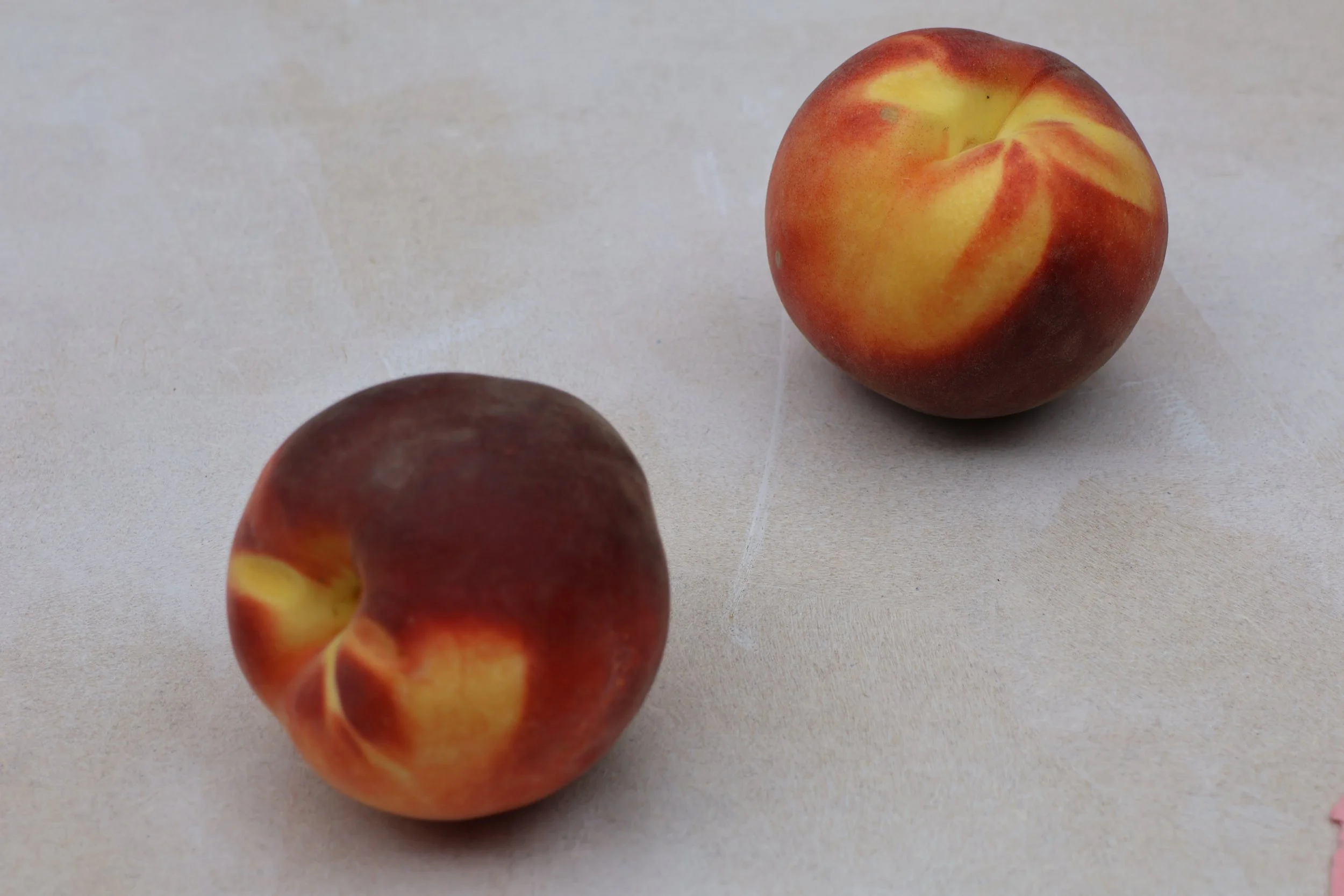
Everyday medicine.
More than a thousand years ago, the Tang dynasty physician Sun Simiao (孫思邈) described food as among the most valuable of a physician’s tools, precisely because it is something we return to every day. His philosophy remains just as relevant now. Acupuncture does its work in the treatment room; the way you nourish yourself between appointments is what carries it forward.
I aim to recommend what to eat, as well as helping you to understand your own body well enough to make those decisions for yourself. Together, we’ll explore how food can become one of the ways you care for yourself – through the seasons, through the demands of an ordinary week, and through the different stages of life itself.
Alongside your medical care.
These sessions are intended to work alongside any existing medical care rather than in place of it. Chinese dietary therapy is a supportive approach rather than a treatment for diagnosed conditions, and nothing I suggest should replace advice you have been given by your GP or by another healthcare professional. If you are making a significant change to the way you eat, it is worth mentioning to them.
-
Initial Consultation — 75 minutes
We’ll take time to discuss your health, digestion, appetite, energy, sleep, menstrual cycle and other relevant aspects of your daily life, as well as your current eating patterns. I’ll use this information, together with Chinese medicine principles, to develop a personalised nutritional approach.
-
Follow-up consultations — 60 minutes
Follow-ups give us space to reflect on what you have noticed since your first consultation, consider any changes in your health, circumstances or routines, and adapt your recommendations accordingly.There is no expectation that you will have followed every recommendation from your previous consultation. We can look at what has felt practical and useful for you, what has not, and what might need to change.
There is no fixed course of consultations or required number of appointments. Some people find a single consultation helpful, while others prefer to meet again to review their progress and develop their approach over time. Follow-ups are usually arranged according to your needs, often around 4–6 weeks after the initial consultation.
-
Initial consultation: £125
Follow-up consultation: £75 -
Chinese Medicine Nutrition consultations are available in person at my Westminster clinic or online.
Online consultations can be particularly convenient if you are unable to travel to the clinic.
-
Following your consultation, I’ll take some time to review and reflect on what we have discussed before developing recommendations tailored to your individual needs, preferences and circumstances.
I’ll then send you a written summary, which may include practical suggestions around foods, meals, cooking methods, drinks or other aspects of your daily routine.
Although my approach is rooted in Chinese medicine, the recommendations are not limited to Chinese or East Asian foods. I draw on a broad range of ingredients, foods and culinary traditions, adapting suggestions to your tastes and the way you actually eat. Where helpful, I may also include recipes or ideas for preparing particular foods.
The aim is not to give you a prescriptive meal plan, but to offer thoughtful, practical guidance that you can incorporate into everyday life and adapt over time.